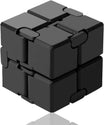
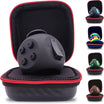
Fidget tools are not just for children. For autistic adults, having access to the right sensory tools can significantly improve focus during meetings, reduce anxiety in overwhelming environments and provide a discreet way to self-regulate throughout the working day. This guide covers the ten best fidget tools for adults with autism — chosen for their subtlety, durability and genuine sensory benefit.
Why autistic adults benefit from fidget tools
Stimming — self-stimulatory behaviour — is a natural and necessary way for many autistic people to regulate their nervous systems. It can take many forms: tapping, rocking, finger movements, and vocal sounds. Fidget tools provide a structured, socially acceptable way to stim in environments where other forms might attract unwanted attention or cause distraction. For adults navigating office environments, public transport or social situations, having a small, portable sensory tool in a pocket or bag can be the difference between managing the day with confidence and becoming overwhelmed. It is important to note that stimming is not something to be suppressed — the goal of a fidget tool is not to stop the behaviour, but to give it a productive, comfortable outlet.
Discreet tools for work and public settings
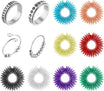
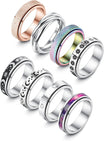
Subtlety matters for many autistic adults, particularly in professional environments where sensory needs may not be openly understood. The best discreet fidget tools for work include: textured rings worn like jewellery that can be spun or pressed without drawing attention; small tactile stones that fit in the palm of a closed hand; and pen-shaped fidget tools that are indistinguishable from office stationery. For meetings and focus work, a smooth worry stone held in one hand provides consistent proprioceptive input — deep pressure to the palm — without any sound or visible movement. These tools are effective precisely because they allow the user to meet their sensory needs quietly, without having to explain or justify those needs to others.
Stronger tools for home and decompression time
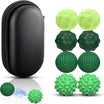
At home, or during dedicated decompression time, more stimulating sensory tools can be deeply satisfying for autistic adults. Sensory putty with high resistance offers a genuinely physical workout for hands under stress. Spiky massage balls provide intense tactile input across the palm and fingers. Pop-tube fidgets — the corrugated, extendable plastic tubes that make a satisfying click when compressed — are popular for their combination of tactile and auditory feedback. For adults who experience significant sensory overload during the working day, building a 15-minute decompression routine at home using two or three of these stronger tools can meaningfully reduce cumulative stress and improve evening wellbeing.
Choosing the right tool for your sensory profile
No two autistic people have the same sensory profile. Some adults are primarily tactile-seeking — they find comfort and focus through touch, texture and pressure. Others are more proprioceptive-seeking — they need physical resistance, weight or deep pressure. Others still are auditory-seeking, finding certain sounds or rhythms regulating. The most effective approach is to build a small personal sensory kit with one or two tools from each category, then experiment to find what works best in different contexts. What helps you focus during a video call may be different from what helps you decompress after a difficult commute. Give yourself permission to explore and adapt — your sensory needs are valid, and the right tools exist for them.
Summary
Fidget tools are a simple, affordable, and evidence-supported way for autistic adults to better meet their sensory needs throughout the day. The right tools, used consistently, can reduce anxiety, improve focus and make demanding environments more manageable. At Send Toys To You, we stock a range of adult-appropriate sensory tools clearly labelled by need — no need to wade through products aimed at children to find what works for you.
🛒 Recommended Products fidget toys for adults